Showing posts with label shakuyaku. Show all posts

June 3, 2026

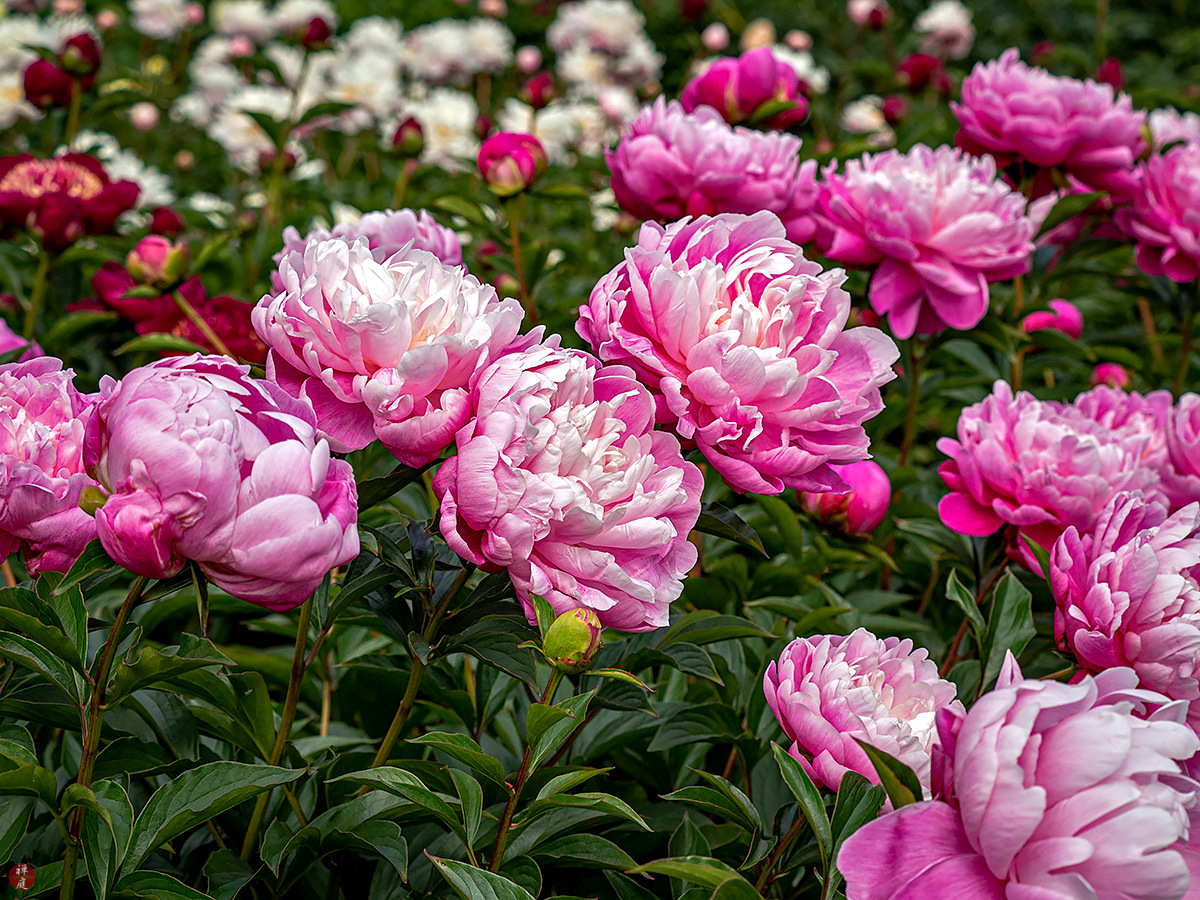
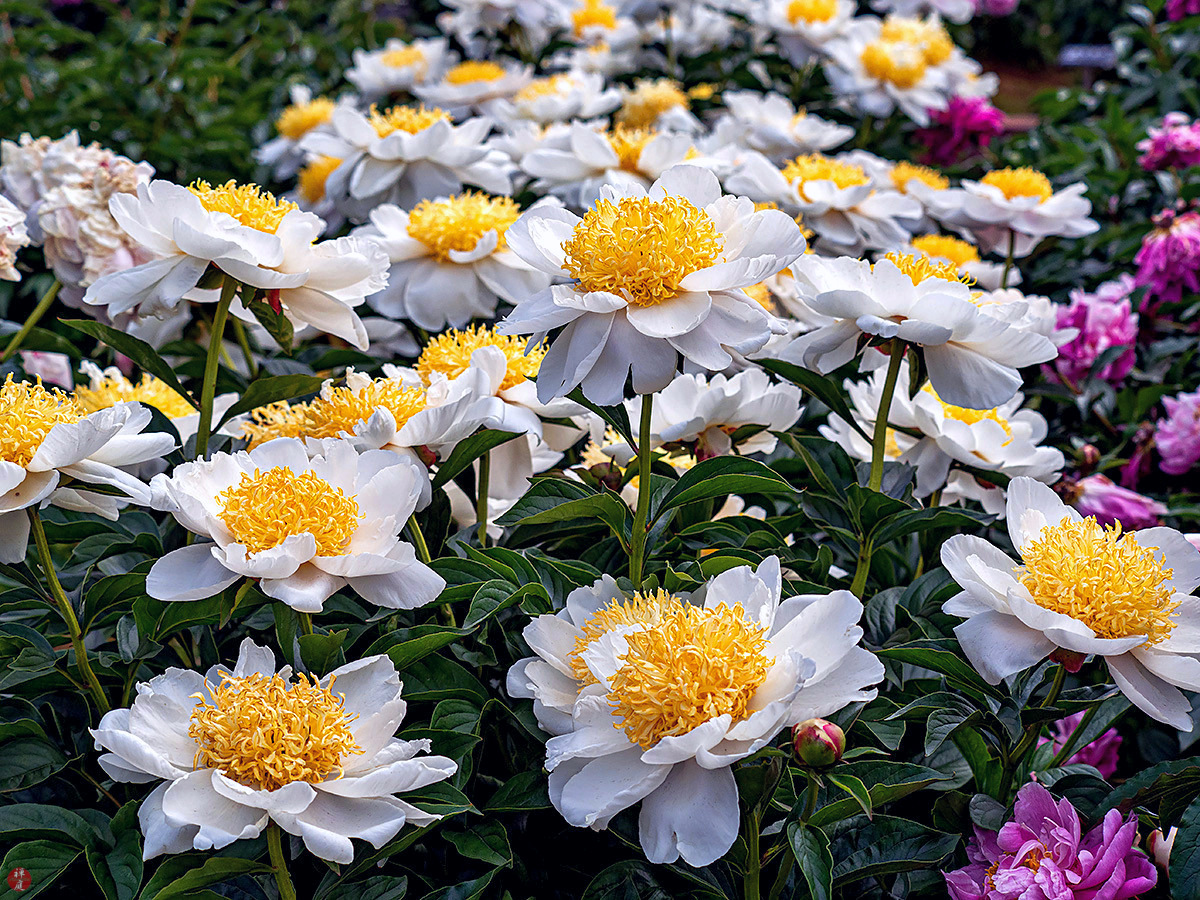
Shakuyaku (Chinese peony) flowers: Ofuna Flower Center (Kamakura)

Shakuyaku (Chinese peony) flowers: Ofuna Flower Center (Kamakura)

 In China, Shakuyaku (Chinese peony) has been used as a medicinal herb since before the Common Era, and its roots were highly valued as the traditional Chinese medicine or “Shakuyaku” (powdered peony root).

In ancient China, the Chinese peony was recognized not merely as a medicinal herb, but also as a plant symbolizing “feminine beauty.” Eventually, it began to be cultivated as an ornamental plant, and the cultivation of ornamental varieties flourished particularly during the Song Dynasty (10th–13th centuries).

While the peony is called the “King of Flowers” in China, the peony was referred to as the “Premier of Flowers.”  Although it may be less splendid than the peony, it has been admired as a flower embodying elegant and harmonious beauty.


Shakuyaku (Chinese peony) flowers: Ofuna Flower Center (Kamakura)

Shakuyaku (Chinese peony) flowers: Ofuna Flower Center (Kamakura)

 It is believed that Chinese peonies were introduced to Japan from China around the Heian period (794-1185). Initially, they were cultivated for medicinal purposes rather than for ornamental display. The dried root powder, known as the herbal medicine “Shakuyaku,” was used for pain relief and to relieve spasms.

It is said that the Chinese peony arrived in Japan from China as a medicinal plant before Botan (tree peony) did. Records of its cultivation already exist from the Muromachi period (1336-1573).

By the Edo period, a uniquely Japanese horticultural culture flourished as a worthy accomplishment of the samurai class, and Shakuyaku underwent extensive breeding and cultivation. The “Higo peony,” which developed particularly in Higo Province of the Kumamoto Domain, is especially renowned, and many Japanese varieties have been created.

In the 18th and 19th centuries, Chinese peonies were introduced from China to Europe. Then extensive breeding and cultivation took place in France and England.

The Agricultural Experiment Station of Kanagawa Prefecture, located in the same place, served as the predecessor of the Ofuna Flower Center. In that station, from the late Meiji period to the early Showa period, the Chinese peonies known as the “Ofuna strain” were cultivated and bred on a large scale for exporting them overseas.


Shakuyaku (Chinese peony) flowers: Ofuna Flower Center (Kamakura)

Shakuyaku (Chinese peony) flowers: Ofuna Flower Center (Kamakura)


Shakuyaku (Chinese peony) flower: Ofuna Flower Center (Kamakura)

Shakuyaku (Chinese peony) flower: Ofuna Flower Center (Kamakura)


Shakuyaku (Chinese peony) flowers: Ofuna Flower Center (Kamakura)

Shakuyaku (Chinese peony) flowers: Ofuna Flower Center (Kamakura)


June 8, 2022

Skakuyaku (Paeonia lactiflora) flowers: Ofuna flower center (Kamakura)

Skakuyaku (Paeonia lactiflora) flowers: Ofuna flower center (Kamakura)


Bathed in the dazzling sunlight from the bright sky, various Shakuyaku (Chinese-peony) flowers are blooming magnificently in the garden as if to wholeheartedly exhibit their genuine joy of flowering.

The glossy green leaves, which begin growing thick in preparation for the arrival of summer, seem to silently praise the divine blessings of nature in this flowery season. 

At the National Museum of Western Art of Tokyo, I have seen Monet's painting (Peony Garden, 1887) of the gorgeous Chinese-peony flowers blooming in his garden at Giverny. The peony plants which Monet grew there were the gifts of friendship from a Japanese couple who were close friends of this great painter.


Skakuyaku (Paeonia lactiflora) flowers: Ofuna flower center (Kamakura)

Skakuyaku (Paeonia lactiflora) flowers: Ofuna flower center (Kamakura)


Shakuyaku (Chinese peony) was introduced to Japan in the Heian period (794-1185) as the precious medicinal plant for anti-inflammation, painkilling, hemostasis, etc. 

It is said that many garden varieties of it were selectively bred during the Edo period (1603-1868). It is one of the plants whose flowers have been treasured by the Japanese as the typical spring flowers displayed in a tea room. 

At the Agricultural Research Center, which was the predecessor of this botanical garden, from the end of the Meiji period (1868-1912) to the beginning of the Showa period (1926-1989), Shakuyaku varieties were studied and improved for their characteristics that would give pleasure to European customers, with the aim of exporting them to Europe where the Japonism was popular at that time.


Skakuyaku (Paeonia lactiflora) flowers: Ofuna flower center (Kamakura)

Skakuyaku (Paeonia lactiflora) flowers: Ofuna flower center (Kamakura)


Skakuyaku (Paeonia lactiflora) flowers: Ofuna flower center (Kamakura)

Skakuyaku (Paeonia lactiflora) flowers: Ofuna flower center (Kamakura)


Skakuyaku (Paeonia lactiflora) flowers: Ofuna flower center (Kamakura)

Skakuyaku (Paeonia lactiflora) flowers: Ofuna flower center (Kamakura)


Skakuyaku (Paeonia lactiflora) flowers: Ofuna flower center (Kamakura)

Skakuyaku (Paeonia lactiflora) flowers: Ofuna flower center (Kamakura)


Skakuyaku (Paeonia lactiflora) flowers: Ofuna flower center (Kamakura)

Skakuyaku (Paeonia lactiflora) flowers: Ofuna flower center (Kamakura)


May 28, 2019

Shakuyaku (Paeonia lactiflora) flowers: Ofuna Botanical Garden (Kamakura)

Shakuyaku (Paeonia lactiflora) flowers: Ofuna Botanical Garden (Kamakura)


These Chinese peony flowers in full bloom made me recall the picture entitled "Peony Garden" painted by Monet (owned by National Museum of Western Art, Tokyo).